%2520(1).webp)
AT A GLANCE
Real-time transactions power modern digital payments but expose businesses to critical security vulnerabilities including interception attacks, man-in-the-middle exploits, phishing schemes, and identity theft. The instant nature of these payments—while convenient—creates a narrow window for fraud detection and leaves minimal room for error. Understanding payment gateway vulnerabilities, implementing multi-layered security measures, and leveraging AI-powered fraud detection platforms are essential for protecting financial transactions in 2025 and beyond.
What Are Real-Time Transactions and How Do They Work?
Real-time transactions are instant financial transfers that complete within seconds, moving money between accounts with minimal delay. Unlike traditional bank transfers that can take days, these payments process immediately through digital channels including mobile banking apps, digital wallets, and online payment platforms.
The real-time payment ecosystem has evolved dramatically since electronic banking emerged in the 1960s with the introduction of automated teller machines (ATMs). This was followed by the development of electronic funds transfer (EFT) systems in the 1990s. PayPal revolutionized digital payments in the late 1990s. Today, smartphones and mobile wallets have made real-time transactions the expected standard across industries—from e-commerce to peer-to-peer lending.
How a real-time transaction processes:
- Initiation: The sender starts payment through a digital interface (mobile app, online banking, digital wallet), providing recipient details and transaction amount
- Authentication: Identity verification occurs via passwords, one-time codes, biometrics, or multi-factor authentication
- Transaction Processing: The sender's financial institution debits their account and communicates with the recipient's institution through secure channels
- Validation: The recipient's bank verifies account details, checks account status, and confirms the transaction amount
- Funds Transfer: The recipient's account receives the funds—completing within seconds
- Confirmation: Both parties receive instant electronic notifications with transaction details
This six-step process involves multiple stakeholders: the customer (sender), banks or financial institutions, payment processors or gateways, and the recipient (individual, business, or government entity). Each participant must maintain robust security to prevent vulnerabilities.
What Are the Main Types of Real-Time Transactions?
Real-time payments fall into five categories, each with distinct security challenges:
Peer-to-Peer (P2P) Transactions: Direct transfers between individuals through mobile or online banking apps. Common for splitting bills, sending money to friends and family. Vulnerable to account takeover and social engineering attacks.
Business-to-Customer (B2C) Transactions: Companies sending funds to individuals, such as refunds, payroll, or insurance claims. Processed through business banks or third-party processors. Risk exposure includes payment routing errors and unauthorized disbursements.
Customer-to-Business (C2B) Transactions: Individuals paying businesses for goods or services. The most common transaction type in e-commerce. High vulnerability to payment interception and credential theft.
Business-to-Business (B2B) Transactions: Transfers between companies for supplier payments, invoices, or business expenses. Often involve large amounts, making them prime targets for sophisticated fraud schemes.
Government-Related Transactions: Payments where government entities send or receive funds, including tax payments, social security disbursements, benefit distributions, and remittances. These transactions are subject to strict regulatory requirements and heightened security scrutiny.
What Are the Hidden Vulnerabilities in Real-Time Payment Systems?
Real-time transactions create seven critical security vulnerabilities that cybercriminals actively exploit:
1. Interception and Eavesdropping
What it is: Unauthorized individuals capture transaction data during transmission between parties. Attackers use sophisticated techniques to steal login credentials, account numbers, and transaction details while they travel across networks.
Real-world example: The Zeus malware, which was designed to steal banking information by man-in-the-browser keystroke logging and form grabbing. The malware intercepted credentials as users typed them, before encryption could protect the data.
2. Replay Attacks
What it is: Cybercriminals capture legitimate transaction data and reuse it to initiate unauthorized payments. The attacker doesn't need to decrypt the data—they simply replay the valid transaction request.
Real-world example: Attackers exploited the Kerberos ticket system, where attackers were found to reuse valid tickets to gain unauthorized access. In payment contexts, this means a single legitimate transaction could be duplicated multiple times.
3. Man-in-the-Middle (MitM) Attacks
What it is: An attacker secretly intercepts and potentially alters communication between two parties who believe they're communicating directly. This allows criminals to steal credentials, manipulate transaction amounts, or reroute payments entirely.
Real-world example: The WiFi Pineapple incident, where attackers used hardware to intercept and manipulate traffic on public WiFi networks. Users connecting to coffee shops or airport WiFi unknowingly routed their banking traffic through attacker-controlled devices.
4. Phishing and Social Engineering
What it is: Fraudulent attempts to trick individuals into revealing sensitive information through fake emails, websites, or messages that appear legitimate. These attacks exploit human psychology rather than technical vulnerabilities.
Real-world example: The 2016 attack on the Bangladesh Bank involved spear phishing emails sent to bank employees, resulting in unauthorized transactions worth over $80 million.
5. Identity Theft
What it is: Criminals use stolen personal information to impersonate legitimate customers and authorize fraudulent transactions. This vulnerability is particularly dangerous in real-time systems where speed limits verification time.
Real-world example: The data breach at Equifax, one of the largest credit bureaus in the US, led to the theft of sensitive information of nearly 143 million consumers, putting them at risk of identity theft.
6. Insufficient Authentication and Authorization
What it is: Weak security protocols make it easier for attackers to access user accounts. Systems relying solely on passwords—without multi-factor authentication or biometric verification—create easy entry points for fraud.
The risk: When financial institutions don't implement strong authentication (two-factor authentication, device fingerprinting, behavioral biometrics), attackers can compromise accounts through brute force attacks, credential stuffing, or purchasing leaked passwords from data breaches.
7. Distributed Denial of Service (DDoS) Attacks
What it is: Attackers flood payment systems with traffic from multiple compromised computers, causing service disruptions. While DDoS attacks don't directly steal money, they create chaos that masks other malicious activities.
Real-world example: In 2016, the DNS provider Dyn was hit by a major DDoS attack, affecting many popular websites and services worldwide. During such attacks, security teams focus on restoring service while attackers exploit the distraction to execute unauthorized transactions.
What Are Common Payment Gateway Security Issues?
Payment gateways—the systems that process digital payments between customers and merchants—face specific vulnerabilities:
Data transmission security gaps: Inadequate encryption during the critical moment when payment data transfers between the customer's device, the merchant's system, and the payment processor. Attackers target this "data in transit" phase.
API vulnerabilities: Payment gateways rely on application programming interfaces (APIs) to connect different systems. Poorly secured APIs create entry points for attackers to access transaction data or manipulate payment flows.
Tokenization failures: Payment tokenization should replace sensitive card data with unique tokens. When implemented incorrectly, tokens can be reverse-engineered or stolen, exposing the underlying payment information.
Session hijacking: Attackers steal or predict session tokens that authenticate users during payment transactions. With valid session credentials, criminals can execute unauthorized transactions within the active session window.
Cross-site scripting (XSS) attacks: Malicious scripts injected into payment pages can capture customer payment information as it's entered. This vulnerability affects payment gateways that don't properly sanitize user inputs.
What Are the Real-World Consequences of Transaction Vulnerabilities?
The impact of real-time transaction vulnerabilities extends far beyond immediate financial losses:
Direct Financial Loss: The most immediate impact. The FBI's Internet Crime Complaint Center reported losses exceeding $4.2 billion due to internet crime in 2020 alone, with a significant portion attributable to fraudulent transactions. For businesses, a single breach can result in millions in stolen funds and fraud-related losses.
Reputational Damage: Security incidents destroy customer trust. When businesses, brokerages and trusts fail to protect financial transactions, customers move to competitors. Brand reputation takes years to build but can collapse overnight after a publicized breach. Lost business opportunities and customer churn often exceed the direct financial losses.
Regulatory Penalties: Financial regulators worldwide impose strict requirements for transaction security and data protection. Under the EU's general data protection regulation (GDPR), companies can face fines of up to 4% of their annual global turnover for serious data breaches. Similar regulations exist across jurisdictions, with penalties scaling to business size.
Operational Disruptions: Cyberattacks can halt transaction processing entirely. A DDoS attack on a payment gateway stops all transactions, creating service unavailability, frustrated customers, and lost revenue. Recovery requires significant IT resources and time.
Legal Consequences: Inadequate data protection can trigger lawsuits from affected customers or regulatory enforcement actions. Businesses may face class-action litigation, regulatory investigations, and mandatory security audits that drain resources and management attention.
How Can Businesses Protect Against Real-Time Transaction Fraud?
Protecting real-time transactions requires a multi-layered security approach combining technology, processes, and human awareness:
Strong Multi-Factor Authentication (MFA)
Implement robust authentication beyond passwords. Combine something the user knows (password), something they have (phone or security key), and something they are (fingerprint or face scan). Advanced solutions include behavioral biometrics that analyze typing patterns, mouse movements, and device usage habits to detect anomalies.
End-to-End Encryption
Encrypt transaction data both at rest (when stored) and in transit (during transmission). This ensures that even if attackers intercept data, they cannot read or use it. Use industry-standard encryption protocols (TLS 1.3 or higher) and regularly update cryptographic standards.
AI-Powered Fraud Detection
Deploying machine learning and artificial intelligence can help identify and prevent fraudulent transactions. These tools establish baseline behavior for each customer and flag anomalies such as unusual transaction amounts, new recipient accounts, or logins from unexpected locations, and report suspicious transactions in real time. Advanced systems detect fraud before transactions complete.
Regular Security Audits
Conduct comprehensive security assessments covering both technology infrastructure and human processes. Third-party penetration testing identifies vulnerabilities before criminals exploit them. Include social engineering tests to measure employee awareness and response to phishing attempts.
Employee Security Training
Human error remains a leading cause of security breaches. Train staff to recognize phishing emails, handle customer data properly, and maintain strong password hygiene. Regular refresher training keeps security awareness current as attack methods evolve.
Incident Response Planning
Prepare detailed response procedures for security breaches. Plans should specify who makes decisions, how to contain breaches, when to notify customers and regulators, and how to restore normal operations. Regular drills ensure teams can execute under pressure.
Transaction Monitoring and Alerting
Implement real-time monitoring that flags suspicious activities instantly. Configure alerts for high-risk indicators: large transfers, multiple failed authentication attempts, transactions to new recipients, or payments from unusual locations. Speed matters—catching fraud in seconds prevents losses.
What Security Tools Protect Payment Systems?
Modern payment security relies on specialized platforms that combine multiple protective technologies:
Real-Time Transaction Monitoring: Systems that analyze every transaction as it occurs, comparing current activity against historical patterns and known fraud indicators. These platforms process millions of data points per second to identify suspicious behavior.
Customer Risk Assessment: Tools that evaluate each customer's risk profile based on transaction history, account age, device fingerprints, and behavioral patterns. Higher-risk customers receive additional scrutiny without creating friction for legitimate users.
Identity Verification (KYC/KYB): Know Your Customer (KYC) and know your business (KYB) solutions verify user identities during account opening and periodically thereafter. Advanced systems combine document verification, biometric matching, and database cross-referencing.
Sanctions Screening: Automated systems that check individuals and businesses against global sanctions screening, politically exposed persons (PEP) databases, and adverse media sources. This prevents transactions with prohibited entities.
Device Intelligence: Technology that creates unique fingerprints for devices used in transactions. When a known customer attempts a transaction from an unrecognized device, the system can require additional authentication or block the payment entirely.
Behavioral Analytics: Systems that build profiles of how legitimate users interact with payment systems—typical transaction times, amounts, recipients, and navigation patterns. Deviations trigger additional verification steps.
How Do AML Compliance Platforms Secure Real-Time Payments?
Anti-Money Laundering (AML) compliance platforms provide comprehensive defense for real-time transaction ecosystems:
Automated Transaction Monitoring: These platforms continuously analyze payment flows for suspicious patterns indicating money laundering, terrorist financing, or fraud. They flag structuring (breaking large amounts into smaller transactions to avoid reporting thresholds), rapid movement of funds across multiple accounts, and transactions inconsistent with customer profiles.
Regulatory Compliance Management: AML platforms help financial institutions meet legal obligations across jurisdictions. They generate required reports (Suspicious Activity Reports, Currency Transaction Reports), maintain audit trails, and adapt to evolving regulations automatically.
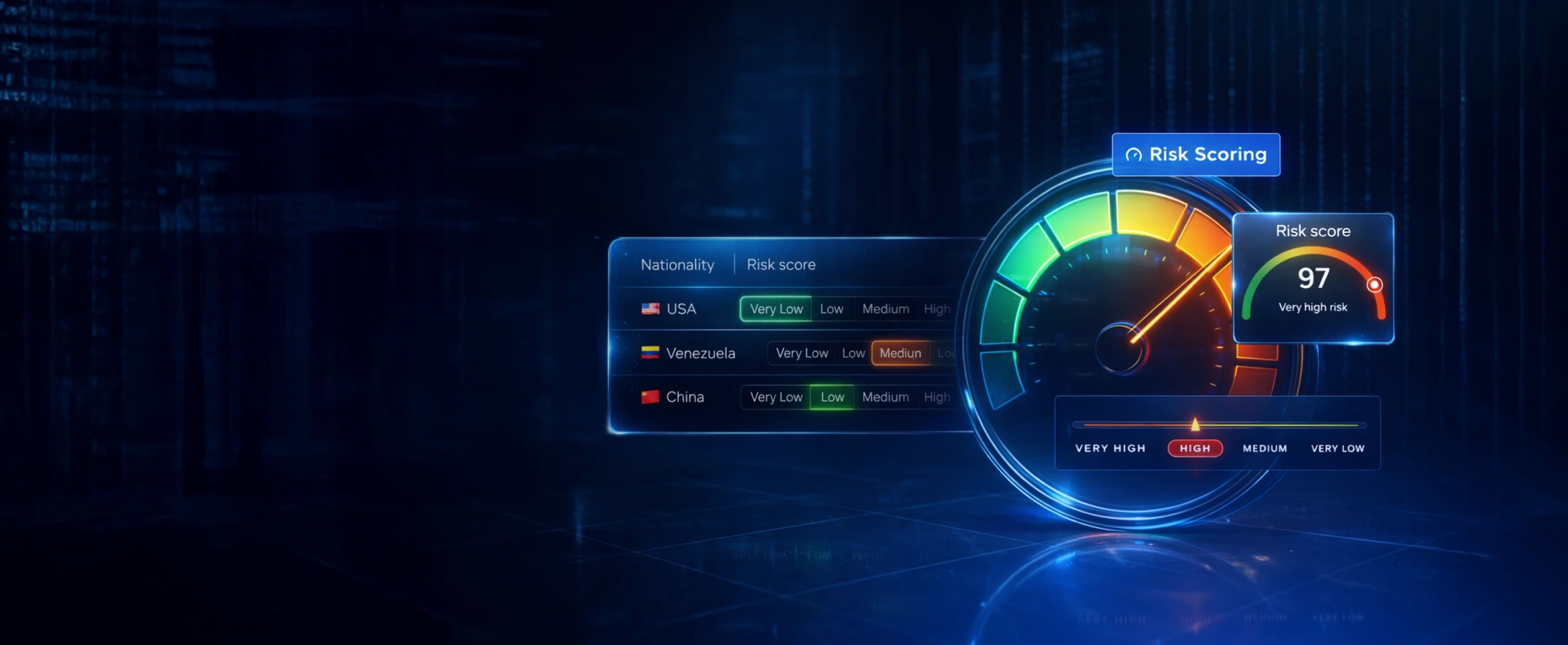
Risk-Based Customer Segmentation: Advanced platforms categorize customers by risk level using hundreds of data points. High-risk customers (those in sensitive industries, politically exposed persons, or exhibiting unusual transaction patterns) receive enhanced due diligence without impacting low-risk customer experience.
Watchlist Screening: Continuous screening against global watchlists (sanctions, PEP, adverse media, law enforcement, and regulatory lists) helps ensure businesses don’t onboard or transact with flagged individuals or entities as lists update.
Investigation Workflow Management: When systems flag suspicious activity, case management tools streamline investigation processes. Compliance teams can review transaction histories, customer documentation, and supporting evidence in centralized dashboards, then make informed decisions about filing reports or blocking accounts.
Advisory and Licensing Support: Leading platforms provide regulatory expertise to help businesses navigate complex fintech licensing requirements across different jurisdictions and stay current with changing compliance standards.
Platforms like Flagright integrate these capabilities into unified solutions, offering real-time monitoring, customer verification, risk scoring, and compliance management. Implementation typically completes within 3-10 days, enabling businesses to deploy enterprise-grade security rapidly.
Frequently Asked Questions
What makes real-time transactions more vulnerable than traditional payments?
Real-time transactions compress the fraud detection window from days to seconds. Traditional bank transfers allow time for manual review and verification before funds move. Real-time payments execute instantly, giving security systems minimal time to identify and stop fraudulent transactions. This speed also limits the ability to reverse completed payments, making real-time fraud more difficult to remedy.
How do attackers intercept payment data during transactions?
Attackers intercept data through multiple methods: compromised WiFi networks, malware on user devices, man-in-the-middle attacks on network infrastructure, or exploiting vulnerabilities in payment gateways. Public WiFi presents particular risk—attackers set up fake networks or use packet sniffing tools to capture unencrypted data. Malware can log keystrokes, capture screenshots, or intercept data before encryption occurs.
What's the difference between payment gateway vulnerabilities and payment system vulnerabilities?
Payment gateway vulnerabilities specifically affect the technology interface that processes payments between customers, merchants, and banks (API security, tokenization, session management). Payment system vulnerabilities encompass broader infrastructure including networks, databases, authentication systems, and all components involved in moving money. Both require different security approaches.
Can multi-factor authentication completely prevent unauthorized transactions?
Multi-factor authentication significantly reduces unauthorized access but isn't foolproof. Sophisticated attackers use SIM swapping to intercept SMS codes, create phishing sites that capture one-time passwords in real-time, or use social engineering to trick users into sharing authentication codes. MFA should combine with other security layers—device fingerprinting, behavioral analytics, and transaction monitoring—for comprehensive protection.
How quickly can fraudulent real-time transactions be reversed?
Real-time payment reversal depends on the specific payment system and jurisdiction. Many real-time payment networks don't support automatic reversals—once funds transfer, recovery requires recipient cooperation or legal action. Some systems allow recalls within limited timeframes (minutes to hours), but success isn't guaranteed. This irreversibility makes fraud prevention critical; detection after the fact often means permanent loss.
What are the biggest security risks in P2P payment apps?
P2P payment apps face account takeover (stolen credentials used to transfer money out), social engineering (scammers tricking users into sending money), incorrect recipient errors (sending to the wrong person with no recourse), and lack of fraud protection compared to credit cards. Many P2P platforms don't offer the same consumer protections as traditional payment methods, leaving users responsible for losses.
How do businesses balance transaction security with user experience?
Modern security solutions use risk-based authentication—applying stronger security measures only when needed. Low-risk transactions (small amounts, recognized devices, typical patterns) process smoothly. High-risk indicators trigger additional verification. Behavioral biometrics and device intelligence work invisibly in the background, adding security without friction. The goal is seamless experience for legitimate users while blocking fraud.
What regulations govern real-time transaction security?
Regulations vary by jurisdiction but typically include PCI-DSS for payment card data, GDPR for European data protection, PSD2 for European payment services, state-level privacy laws in the US, and sector-specific rules from financial regulators. Businesses operating internationally must comply with multiple frameworks simultaneously. Non-compliance brings severe penalties and potential loss of payment processing capabilities.
Key Security Recommendations
For Businesses:
- Deploy AI-powered fraud detection that analyzes transactions in real-time
- Implement strong multi-factor authentication for all payment activities
- Encrypt all transaction data both in transit and at rest
- Conduct quarterly security audits and penetration testing
- Train employees regularly on phishing recognition and data handling
- Maintain detailed incident response plans with regular drill exercises
- Partner with specialized AML compliance and fraud prevention platforms
- Monitor transactions 24/7 with automated alerting for suspicious patterns
- Keep all payment systems and security software updated with latest patches
For Consumers:
- Enable multi-factor authentication on all financial accounts
- Avoid conducting financial transactions on public WiFi networks
- Verify recipient details carefully before confirming payments
- Monitor account activity daily for unauthorized transactions
- Use unique, strong passwords for each financial platform
- Be skeptical of unexpected payment requests, even from known contacts
- Report suspicious activity to your financial institution immediately
- Keep devices updated with latest security patches and antivirus software
The evolution of real-time transactions has revolutionized financial services, delivering unprecedented convenience and efficiency. However, this speed comes with inherent vulnerabilities that cybercriminals actively exploit. Understanding these risks—from interception attacks to identity theft—is the first step toward comprehensive protection.
Securing real-time transactions requires coordinated effort across multiple stakeholders: financial institutions deploying advanced monitoring systems, payment processors implementing robust authentication, businesses maintaining strict security protocols, and consumers practicing vigilant account management.
Modern security platforms like Flagright provide the integrated tools businesses need to protect real-time transaction monitoring effectively. By combining real-time monitoring, AI Forensics, customer risk assessment tool, identity verification, and regulatory compliance management in a single platform, businesses can defend against evolving threats while maintaining the seamless user experience customers expect.
Flagright stands out with its innovative solutions specifically tailored to tackle the challenges of real-time transactions. But what sets Flagright apart is its promise of efficiency. Integrations can be wrapped up within an impressive average span of just 3 to 10 days. Schedule a free demo with us today, and embrace the future of secure, real-time transactions!
The future of financial transactions is real-time—and with the right security foundation, that future can be both fast and secure.