AI agents investigate screening and monitoring alerts, validate evidence, and resolve repetitive reviews across both L1 and L2 workflows.
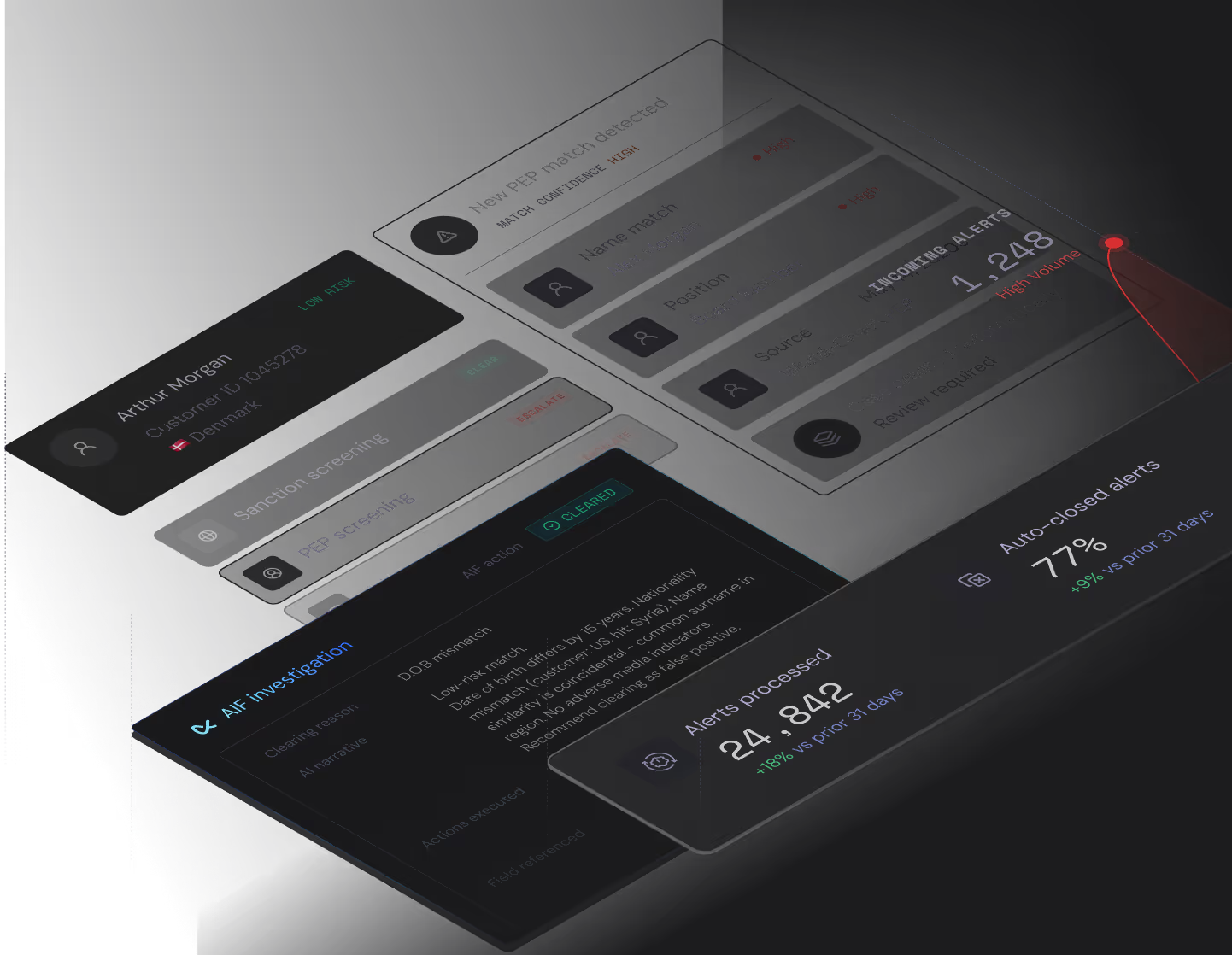
Too many alerts. Too few meaningful investigations. Flagright improves alert quality before analysts begin review.
Are analysts reviewing the same alerts repeatedly?
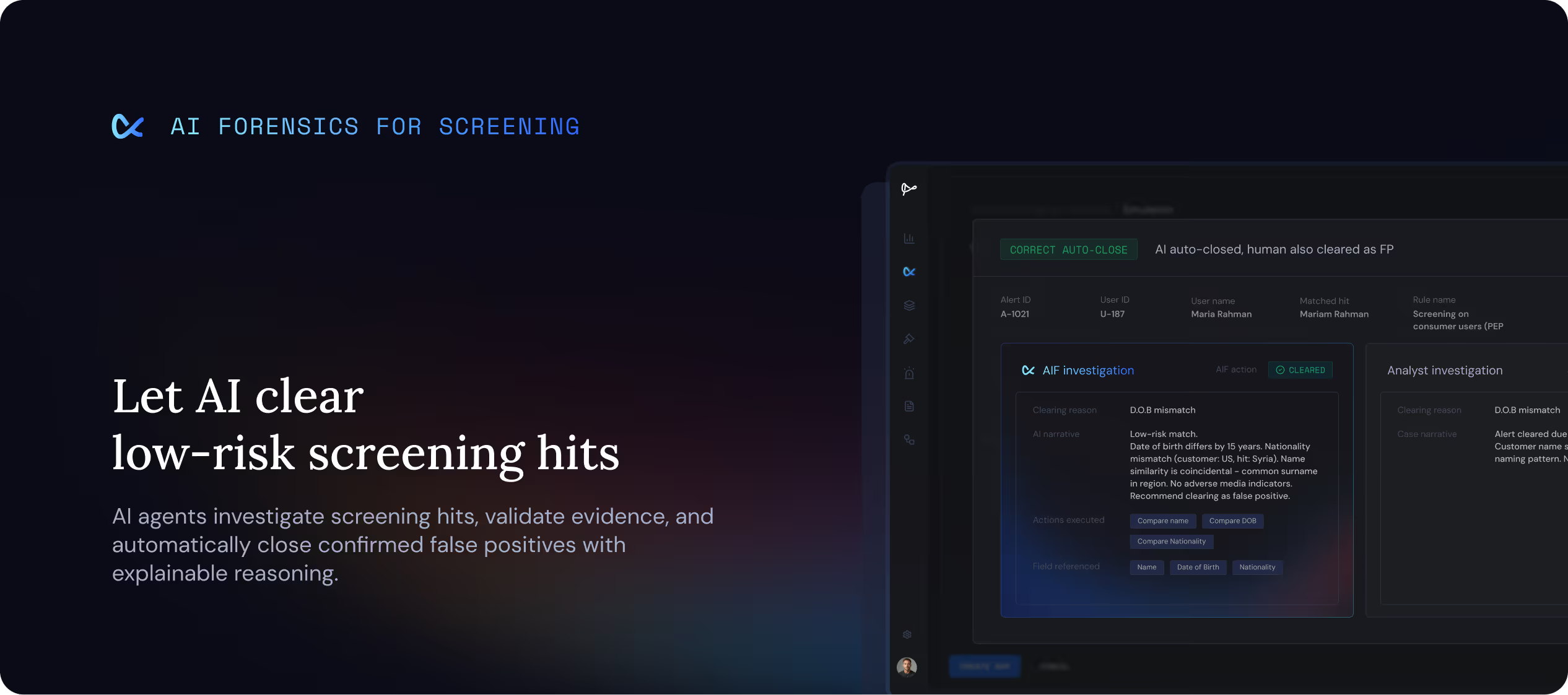
Automatically investigate, validate, and clear low-risk alerts before analysts begin review.
Are alert queues growing faster than investigations?
Reduce operational noise and help teams focus on genuinely suspicious activity.
Are low-risk alerts generating unnecessary reviews?
Apply risk context dynamically to prioritize investigations more intelligently.
Are rule changes creating uncertainty?
Test and refine monitoring logic safely before deploying changes into production.

“Flagright AI-powered features have made a huge difference—not only have we been able to speed up investigations, but the AI also helps make them more precise, giving us better insights and reducing unnecessary manual work. The automation has really cut down false positives, making our workflow much more efficient.”
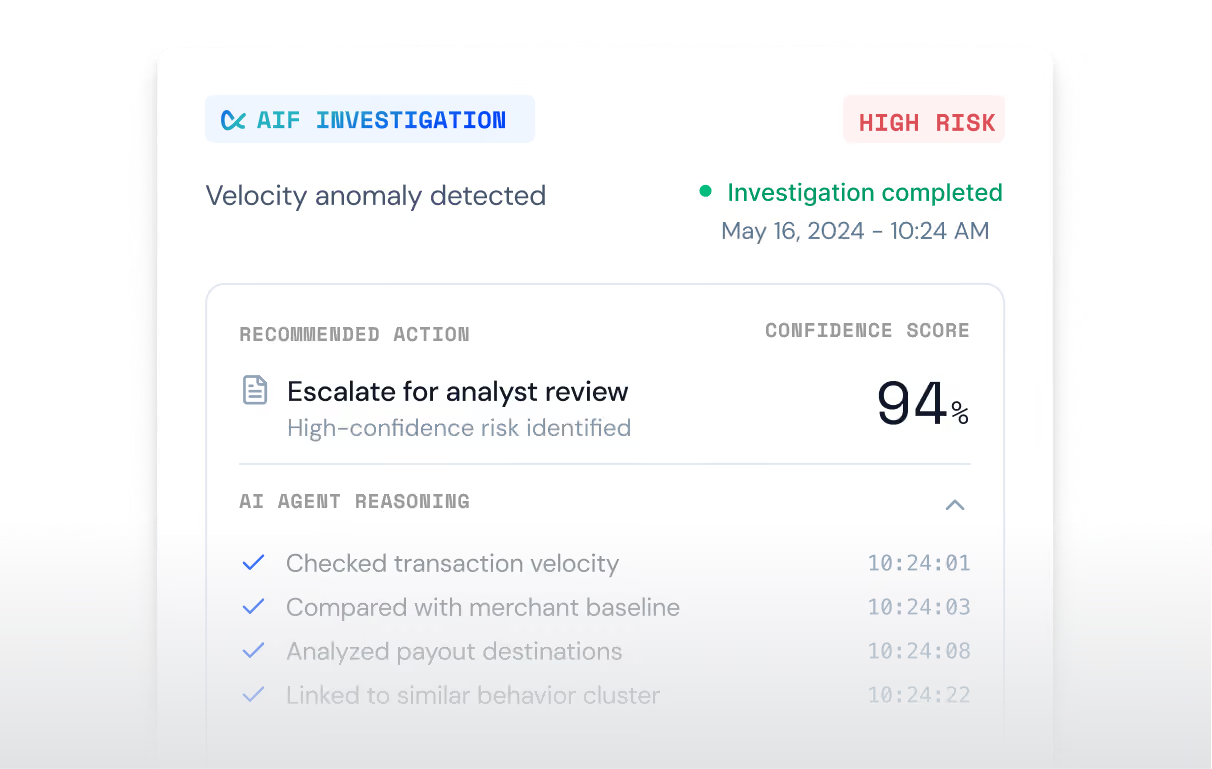
Investigate alerts automatically, validate evidence, and recommend closure or escalation before manual review begins.

Configure matching thresholds, transliteration controls, and DOB tolerance while AI agents investigate hits and suppress false positives.
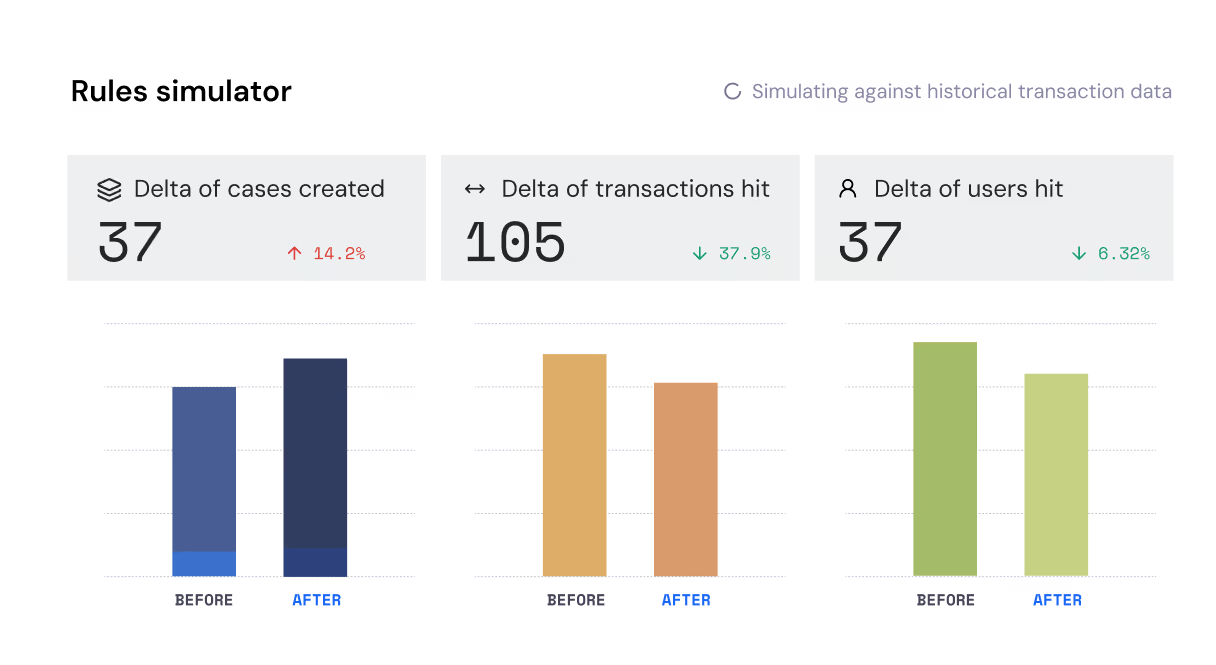
Test monitoring thresholds and rule logic against historical and live transaction data before introducing changes into production.
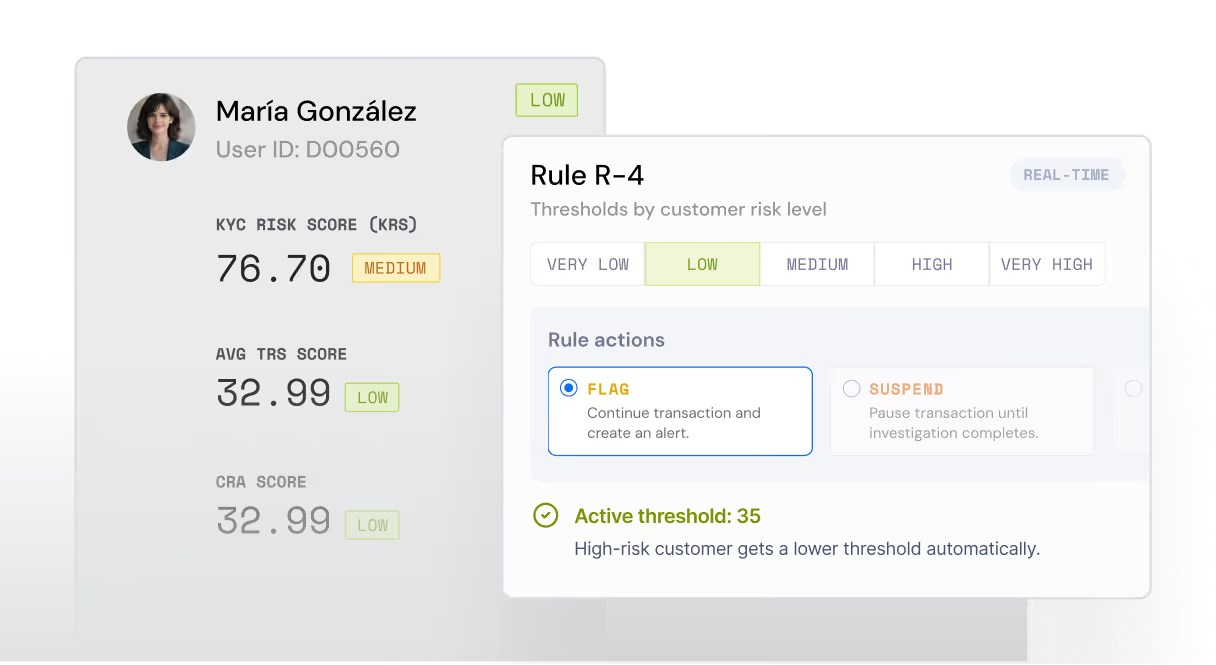
Apply customer and transaction risk context continuously to reduce unnecessary reviews on lower-risk activity.

“Beyond the reduction in false positives, we're able to evaluate cases from both a fraud and transaction monitoring standpoint. We can also review historical alerts and transaction data in a much more structured and accessible format, making case management workflows straightforward”


“Flagright enables us to create detailed rules and thresholds specifically tailored our own business activities to detect unusual transactions and patterns. The rule creation and optimisation allows for continuous adaptation as a result of new fraud and AML trends, evolving risks and regulatory changes. Having the ability to flag potential issues and adjust rules based on statistical analysis and new information we can minimize false positives to ensure efficient investigation of genuine concerns.”






.webp)