.webp)
AT A GLANCE
Indonesia's financial sector faces rising fraud challenges driven by rapid digitization, with losses from credit card fraud, identity theft, and online scams increasing by 35% annually. Financial institutions combat this through AI-powered fraud detection and prevention, real-time transaction monitoring, and robust AML (anti-money laundering) compliance mandated by OJK (Indonesia's Financial Services Authority). Modern solutions can detect fraudulent patterns in milliseconds, reducing false positives by 60% while maintaining regulatory compliance.
What types of fraud are most common in Indonesia's financial sector?
Indonesian financial institutions face seven primary fraud categories that account for 89% of all reported cases.
Credit card and payment fraud remains the most prevalent, with criminals using card skimming, card-not-present fraud, and account takeover techniques. The shift to digital payments has created new vulnerabilities, with e-commerce fraud increasing 42% year-over-year.
Identity theft serves as the gateway to other fraud types. Fraudsters use stolen personal information to open bank accounts, apply for loans, and conduct unauthorized transactions. Indonesian citizens' data from breaches often surfaces on dark web marketplaces within 48 hours.
Online scams and phishing attacks target both consumers and businesses. These include fake investment schemes, romance scams, and business email compromise. Phishing attempts have become more sophisticated, with criminals replicating legitimate banking apps and websites.
Loan and mortgage fraud involves falsified documents, inflated property valuations, and synthetic identities. Some fraudsters create entirely fictitious borrower profiles using real identification documents combined with fake employment records.
Insurance fraud encompasses false claims, premium diversion, and policy churning. The Indonesian insurance sector reports approximately 15-20% of claims contain some form of fraudulent element. The quicker you can detect fraudulent activity, the quicker you can take action to prevent potential financial loss.
ATM and banking fraud includes physical skimming devices, card trapping, and unauthorized cash withdrawals. While declining due to chip technology adoption, these attacks still occur in rural areas with older infrastructure.
Ponzi schemes and investment fraud periodically emerge, promising unrealistic returns. These operations often operate for 12-18 months before collapsing, leaving thousands of victims.
How does fraud impact Indonesia's financial sector?
The consequences of financial fraud extend far beyond immediate monetary losses, threatening economic stability and consumer confidence.
Direct financial losses reached an estimated $2.1 billion in 2024 across Indonesia's banking, insurance, and fintech sectors. Individual victims lose an average of 18 million rupiah per incident, while businesses face losses ranging from hundreds of millions to billions of rupiah.
Reputational damage can be catastrophic for financial institutions. A single major fraud incident can trigger customer exodus, with affected banks reporting 25-40% deposit withdrawals within weeks. Rebuilding trust takes years and requires significant marketing investment.
Regulatory penalties from the Financial Services Authority (OJK) can reach billions of rupiah, plus mandatory remediation costs. Non-compliant institutions may face license suspensions or revocations in severe cases.
Operational costs increase dramatically post-fraud. Institutions must conduct investigations, reimburse potential risks associated with your customers, upgrade security systems, and implement additional staff training. These indirect costs often exceed the fraud losses themselves.
Economic ripple effects impact Indonesia's GDP growth. Widespread fraud reduces foreign investment, increases borrowing costs, and slows financial inclusion initiatives. Small businesses particularly suffer when fraud erodes their limited capital.
Customer trust erosion creates long-term behavioral changes. Fraud victims become hesitant to adopt digital financial services, slowing Indonesia's cashless economy transition. Survey data shows 67% of fraud victims reduce their digital transaction volume for at least two years.
What is OJK's role in fraud detection and prevention?
The Otoritas Jasa Keuangan (OJK), Indonesia's Financial Services Authority, functions as the primary regulatory body overseeing fraud prevention across all financial sectors.
Regulatory framework development represents OJK's core function. They issue comprehensive regulations establishing minimum standards for internal controls, risk management systems, and customer due diligence procedures. These regulations apply to banks, insurance companies, pension funds, and fintech platforms.
Active supervision and auditing ensures compliance across 1,500+ licensed financial institutions. OJK conducts regular on-site examinations and off-site monitoring, reviewing transaction records, security protocols, and compliance frameworks. Institutions receive risk ratings that determine examination frequency.
Enforcement authority allows OJK to impose sanctions ranging from written warnings to license revocations. In 2024, OJK issued 147 enforcement actions related to fraud prevention deficiencies, including 23 operational suspensions and fines totaling 892 billion rupiah.
Consumer education initiatives help Indonesians recognize and avoid fraud. OJK operates a dedicated fraud reporting hotline, publishes scam alerts, and conducts nationwide awareness campaigns. Their mobile app provides real-time alerts about newly identified schemes.
Fintech regulation balances innovation with consumer protection. OJK's regulatory sandbox allows new financial technologies to operate under controlled conditions, ensuring fraud prevention capabilities before full market launch. Currently, 38 fintech companies participate in this program.
International cooperation strengthens cross-border fraud prevention. OJK maintains information-sharing agreements with regulatory bodies in Singapore, Malaysia, Thailand, and Australia, facilitating rapid response to international fraud schemes.
Technology modernization support encourages adoption of advanced fraud detection tools. OJK provides technical guidance and sometimes financial incentives for institutions implementing AI-based monitoring systems and biometric authentication.
How do KYC and KYB processes prevent fraud in Indonesia?
KYC, or Know Your Customer and KYB, or Know Your Business protocols form the first line of defense; it's a crucial line of defense against fraud by establishing and verifying customer identities.
KYC for individual customers requires collecting and verifying personal information including full legal name, date of birth, residential address, national identification number (NIK), tax identification (NPWP), occupation, and source of funds. Indonesian financial institutions must verify this information against government databases.
The verification process typically involves document authentication (checking ID card security features), biometric matching (comparing facial recognition against national ID database), address confirmation (utility bills or bank statements), and beneficial ownership determination for account operators.
KYB for business clients demands deeper investigation into company structure, ownership, and operations. Required documentation includes business registration certificates, articles of incorporation, shareholder registries, financial statements, and beneficial ownership declarations identifying individuals holding 25%+ ownership.
Indonesian regulations require enhanced due diligence for companies in high-risk sectors (money services, precious metals, real estate), politically exposed persons (PEPs), and businesses with complex ownership structures involving offshore entities.
Risk-based customer segmentation categorizes clients into low, medium, or high-risk tiers based on factors like transaction patterns, business type, geographic location, and customer behavior. High-risk customers face continuous monitoring and periodic re-verification (every 6-12 months).
Ongoing monitoring extends beyond initial onboarding. Financial institutions must monitor for unusual activity patterns, unexplained wealth increases, sudden business model changes, or transaction flows inconsistent with stated business purposes.
Digital KYC innovations accelerate verification while maintaining accuracy. Video-based verification allows real-time identity confirmation, while optical character recognition (OCR) automatically extracts data from documents. Biometric authentication using fingerprints or facial recognition provides additional security layers.
What is real-time transaction monitoring and how does it work?
Real-time transaction monitoring analyzes financial activities as they occur, flagging suspicious patterns before fraudulent transactions complete.
Automated rule engines evaluate every transaction against predefined parameters. These rules trigger alerts for unusual activity like transactions exceeding customer-specific thresholds, rapid consecutive transactions (potential account takeover), geographic anomalies (card used in different countries within hours), unusual transaction times (3 AM withdrawals from typically daytime user), or merchant category mismatches (luxury goods purchases from previously budget-conscious customer).
Machine learning models identify complex patterns invisible to rule-based systems. These algorithms establish baseline behavior for each customer, detecting subtle deviations indicating fraud. For example, a model might flag a transaction matching the customer's typical amount and location but occurring during an unusual behavioral window based on hundreds of historical data points.
Velocity checks monitor transaction frequency and volume. The system flags rapid-fire transactions that might indicate stolen credentials, particularly when combined with other suspicious indicators like new device usage or unverified shipping addresses.
Network analysis identifies relationships between seemingly unrelated transactions. If multiple accounts suddenly send funds to the same recipient, or if a network of accounts shows coordinated activity patterns, the system elevates the risk score.
Immediate alert generation notifies fraud analysts within seconds of suspicious activity detection. Automated systems can block high-risk transactions instantly while allowing analysts to review borderline cases. Response time is critical—every minute of delay increases fraud completion likelihood.
Multi-channel integration monitors activity across mobile banking, ATMs, online platforms, and point-of-sale terminals simultaneously. This holistic view reveals cross-channel fraud schemes where criminals test stolen cards at ATMs before making larger online purchases.
Behavioral biometrics analyze how customers interact with digital platforms—typing speed, mouse movements, device handling patterns. Deviations from established patterns trigger additional verification steps even when login credentials are correct.
How does sanctions screening protect Indonesian financial institutions?
Sanctions screening prevents financial institutions from conducting business with individuals, companies, or countries subject to international restrictions.
Global watchlist databases include lists from the United Nations, US Office of Foreign Assets Control (OFAC), European Union, and regional bodies. Indonesian financial institutions must screen against these lists plus domestic watchlists maintained by Indonesian National Police and financial intelligence units.
Automated name-matching algorithms compare customer names, business names, and transaction counterparties against sanctions lists. Advanced fuzzy-matching technology accounts for spelling variations, transliterations, name order differences, and alias usage. A screening system might match "Muhammad Ali Rahman" against "Mohammad A. Rahman" or "Rahman, Ali Muhammad."
Real-time screening occurs at multiple touchpoints—new account opening, existing customer periodic reviews, wire transfer processing, and transaction monitoring. Every international payment undergoes automatic watchlist screening before processing approval.
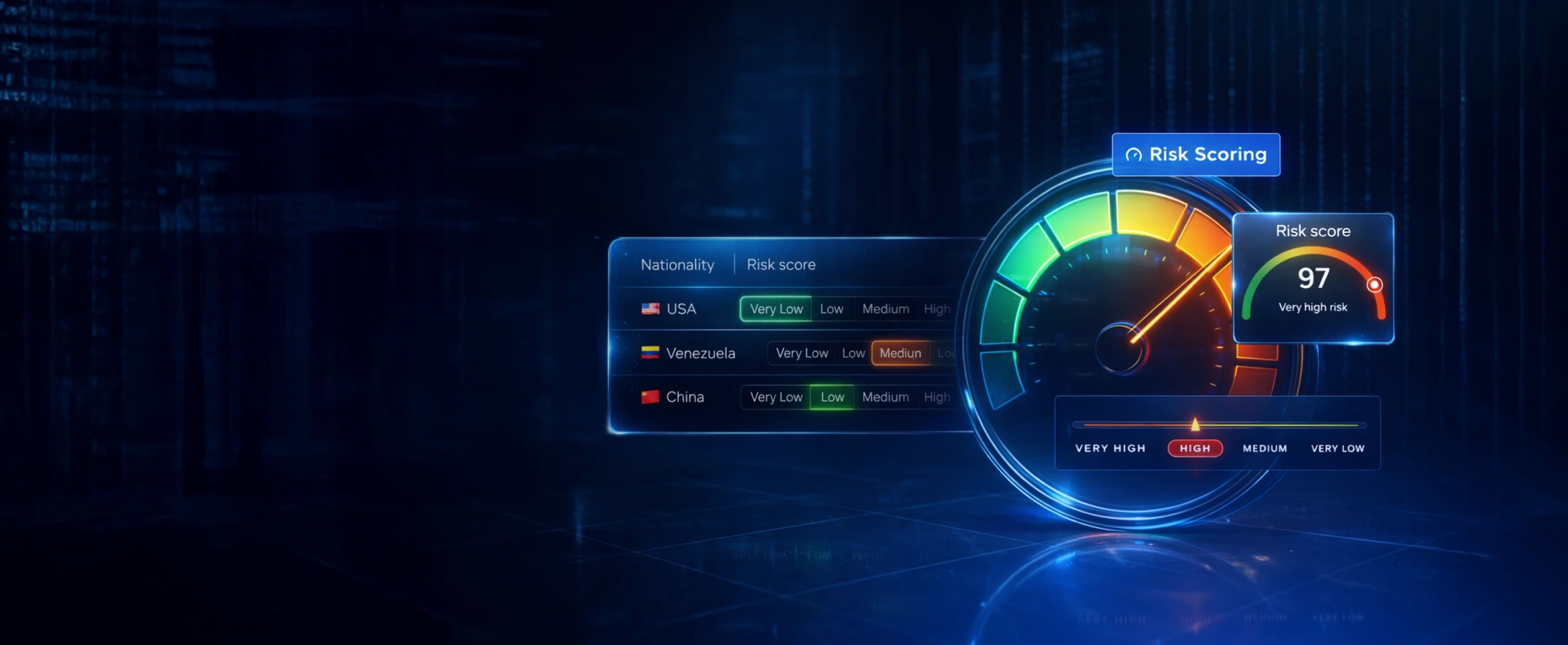
Risk scoring methodologies account for match quality, customer context, and transaction characteristics. Not every name match represents a sanctions violation—common names generate false positives requiring human review. Advanced systems assign confidence scores helping analysts prioritize investigation efforts.
Politically Exposed Persons (PEP) identification flags individuals holding prominent public positions or their family members and close associates. Indonesian regulations require enhanced due diligence for PEPs, including source of wealth verification and senior management approval for relationship establishment.
Ongoing list updates occur continuously as sanctions regimes evolve. Financial institutions must update their screening databases within 24 hours of new sanctions announcements.Some international sanctions took effect immediately, catching institutions with insufficient update procedures. By implementing strong AML procedures, organisations can respond faster to regulatory changes and reduce exposure to compliance risk.
Documentation and audit trails preserve evidence of compliance. Every screening must be logged, showing search parameters, results, analyst review, and decision rationale. Regulators examine these records during audits.
How is AI transforming fraud detection in Indonesia?
Artificial intelligence has revolutionized fraud detection, enabling financial institutions to identify threats with unprecedented speed and accuracy.
Machine learning pattern recognition analyzes millions of transactions daily, identifying fraud indicators human analysts might miss. These systems detect subtle correlations—for instance, recognizing that legitimate customers rarely make purchases from three different countries within six hours, even if each individual transaction appears normal.
Predictive analytics forecast fraud likelihood before transactions complete. By analyzing historical fraud cases, AI models identify early warning signals. When a new account exhibits behaviors matching previous fraud patterns during the first week, the system elevates monitoring intensity.
Natural language processing (NLP) examines unstructured data like customer service conversations, email communications, and social media activity. If a customer suddenly claims their card was stolen but their communication patterns seem scripted or rushed, NLP flags the claim for investigation.
Network graph analysis maps relationships between accounts, devices, and transactions. This reveals organized fraud rings where multiple synthetic identities connect to the same IP address, phone number, or device fingerprint.
Anomaly detection algorithms identify statistically unusual patterns without predefined rules. Unlike traditional systems requiring specific fraud type programming, these models autonomously identify deviations from normal behavior. They adapt to seasonal patterns, economic changes, and individual customer life events.
Deep learning neural networks process complex, multi-dimensional data including transaction details, customer demographics, device information, and behavioral biometrics simultaneously. These systems achieve 85-95% fraud detection rates with false positive rates below 2%—significantly outperforming rule-based systems.
Computer vision for document verification analyzes ID cards, passports, and supporting documents, detecting forgeries by examining microprinting, holograms, font consistency, and photo authenticity. These systems identify sophisticated fakes that might fool human reviewers.
Continuous learning capabilities improve accuracy over time. As fraud tactics evolve, AI systems retrain themselves using new fraud cases, maintaining effectiveness against emerging threats. Indonesian institutions using AI report 60% reductions in fraud losses within 12-18 months of implementation.
What are the best practices for managing digital payment fraud in Indonesia?
Indonesian merchants and financial institutions must implement comprehensive fraud prevention strategies to protect digital payment ecosystems.
Multi-factor authentication (MFA) requires customers to verify identity through multiple channels—password plus OTP (one-time password), biometric confirmation, or security question. This prevents account takeovers even when passwords are compromised.
Device fingerprinting creates unique identifiers for each device accessing payment systems. When a transaction originates from an unrecognized device, additional verification steps activate. This catches criminals using stolen credentials from different devices.
Geolocation verification compares transaction location against customer's typical geographic patterns. Indonesian systems can detect when a card is used in Jakarta minutes after an online purchase from a European IP address.
Velocity limits restrict transaction frequency and total values within specific timeframes. For example, limiting international transfers to three per day or capping total daily transfers at 50 million rupiah prevents rapid account draining.
Address Verification Service (AVS) confirms billing address matches credit card records. Discrepancies trigger additional authentication requirements or transaction rejection.
3D Secure protocols (3DS 2.0) add authentication layers for online card payments. These systems analyze 150+ data points including device information, transaction history, and behavioral patterns before requiring additional verification.
Tokenization replaces sensitive payment data with unique identifiers (tokens) that are useless if intercepted. Card numbers are never stored in merchant systems, eliminating data breach risks.
Real-time fraud scoring assigns risk levels to each transaction using multiple data points. High-risk transactions face automatic blocking or manual review before processing.
Customer education remains crucial. Indonesian institutions that invest in fraud awareness training see 40% fewer successful social engineering attacks. Regular communication about new scam techniques helps customers recognize threats.
How can companies in Indonesia reduce payment fraud and increase trust?
Building robust fraud prevention frameworks requires strategic investments in technology, processes, and culture.
Comprehensive risk assessment begins with identifying vulnerabilities across payment channels, customer touchpoints, and operational processes. Annual fraud risk reviews should examine emerging threats, evaluate control effectiveness, and benchmark against industry standards.
Layered security architecture implements multiple defensive barriers. If one layer fails, others provide backup protection. This includes perimeter security (firewalls, intrusion detection), application security (input validation, encryption), and database security (access controls, audit logging).
Vendor due diligence evaluates third-party payment processors, technology providers, and service partners. Indonesian companies should verify vendors maintain PCI-DSS compliance, conduct regular security audits, and maintain cyber insurance coverage.
Fraud analytics teams combine technology expertise with investigative skills. Effective teams include data scientists (developing detection models), fraud analysts (investigating alerts), and compliance specialists (ensuring regulatory adherence).
Incident response planning prepares organizations for fraud events. Written protocols should define escalation procedures, customer notification requirements, law enforcement coordination, and remediation steps. Regular simulation exercises test plan effectiveness.
Transparent communication builds customer confidence. When fraud incidents occur, prompt disclosure (within regulatory timeframes) demonstrates accountability. Successful institutions explain what happened, which customers were affected, remediation steps, and prevention measures implemented.
Industry collaboration shares fraud intelligence. Participating in information-sharing networks helps Indonesian institutions identify emerging schemes faster. The Indonesia Anti-Fraud Association facilitates this collaboration.
Continuous improvement treats fraud prevention as an evolving discipline. Quarterly reviews should analyze fraud trends, assess control performance, evaluate new technologies, and adjust strategies accordingly.
Frequently Asked Questions
How do payment gateways ensure transaction security and anti-fraud measures in Indonesia?
Indonesian payment gateways implement PCI-DSS compliance standards, end-to-end encryption, real-time fraud detection algorithms, 3D Secure authentication, and tokenization. They screen transactions against global fraud databases, analyze behavioral patterns, and maintain 24/7 security operations centers monitoring for suspicious activity.
What is the fraud detection system used by Bank Indonesia?
Bank Indonesia oversees the Indonesian Payment System (BI-FAST) which incorporates real-time fraud monitoring, anti-money laundering controls, and transaction pattern analysis. Individual banks implement their own fraud detection systems—typically AI-powered platforms analyzing transaction data, customer behavior, and risk indicators.
How can merchants reduce chargebacks in Indonesia?
Merchants should implement clear refund policies, provide detailed product descriptions, maintain transaction records, use address verification, obtain delivery confirmations, respond promptly to customer disputes, and deploy fraud detection tools that identify high-risk transactions before fulfillment.
What are the penalties for fraud in Indonesia's financial sector?
Under Indonesian law, financial fraud carries criminal penalties of 5-20 years imprisonment plus fines ranging from 1-50 billion rupiah depending on fraud type and amount. OJK can impose additional administrative penalties including license revocations and operational suspensions.
How long does a fraud investigation take in Indonesia?
Simple fraud cases typically resolve within 14-30 days. Complex investigations involving multiple parties, international elements, or sophisticated schemes may require 3-6 months. Digital forensics, document analysis, and coordination with law enforcement affect timelines.
Can AI fraud detection generate false positives?
Yes, all fraud detection systems generate some false positives—legitimate transactions flagged as suspicious. Modern AI systems achieve false positive rates of 1-3%, compared to 10-20% for traditional rule-based systems. Machine learning continuously improves accuracy through feedback loops.
What is the difference between KYC and AML compliance?
KYC (Know Your Customer) verifies customer identities and assess their risk levels. AML (Anti-Money Laundering) monitors transactions for money laundering patterns and reports suspicious activities. KYC is the foundation; AML is the ongoing monitoring framework. Both are required under Indonesian regulations.
How do fintech companies in Indonesia handle fraud prevention?
Indonesian fintech companies must register with OJK and implement fraud prevention frameworks including customer verification, transaction monitoring, data encryption, and suspicious activity reporting. Many partner with specialized fraud prevention platforms offering AI-powered detection capabilities.
What should I do if I'm a victim of financial fraud in Indonesia?
Immediately contact your bank to freeze affected accounts, file a police report with the Cyber Crime unit, report to OJK through their consumer protection hotline (157), preserve all evidence (messages, emails, transaction records), and consider legal consultation for recovery options.
Are biometric authentication methods safe from fraud?
Biometric authentication (fingerprint, facial recognition) provides stronger security than passwords alone but isn't infallible. Advanced attacks using deepfakes or synthetic biometrics exist. Multi-factor authentication combining biometrics with other verification methods offers optimal security.
Key Takeaways: Essential Fraud Prevention Tips
For Financial Institutions:
- Implement AI-powered transaction monitoring analyzing at least 50 behavioral and transactional variables per customer
- Update sanctions screening databases within 24 hours of new regulatory announcements
- Conduct KYC reverification for high-risk customers every 6-12 months
- Maintain fraud detection model retraining schedules quarterly using recent fraud cases
- Establish fraud response protocols enabling account freezing within 60 seconds of confirmed fraud
For Businesses Accepting Payments:
- Deploy multiple fraud detection layers including device fingerprinting, geolocation verification, and velocity checks
- Set transaction limits appropriate to customer risk profiles and historical patterns
- Require additional authentication for transactions exceeding 5 million rupiah or originating from new devices
- Monitor failed payment attempts—multiple failures often precede successful fraud
- Establish chargeback monitoring programs targeting <1% chargeback rates
For Indonesian Consumers:
- Enable transaction notifications for all payment methods receiving real-time alerts
- Use unique, complex passwords for each financial platform—password managers simplify this
- Verify website authenticity before entering credentials—check for HTTPS and exact domain spelling
- Never share OTP codes, even with individuals claiming to represent your bank
- Review bank statements weekly to identify unauthorized transactions quickly
- Report suspicious activity within 24 hours to maximize fraud recovery chances
Technology Implementation Priorities:
- Prioritize solutions offering real-time processing over batch-processing systems
- Ensure fraud detection platforms integrate with existing core banking systems
- Select vendors providing continuous model updates and threat intelligence feeds
- Implement comprehensive audit logging for regulatory compliance and forensic investigations
- Deploy automated alert prioritization reducing analyst workload by 70%+
Regulatory Compliance Essentials:
- Maintain documented policies for customer due diligence, transaction monitoring, and suspicious activity reporting
- Conduct annual independent audits of fraud prevention frameworks
- Submit suspicious transaction reports (STR) to PPATK within 3 business days of identification
- Preserve transaction records for 5 years as required by Indonesian regulations
- Train staff quarterly on fraud identification, escalation procedures, and regulatory requirements
Conclusion
Indonesia's financial sector stands at a critical juncture where rapid digital transformation creates both opportunities and vulnerabilities. Fraud detection and prevention require sophisticated technological solutions, rigorous regulatory compliance, and unwavering institutional commitment.
In line with these advancements, Flagright has launched Flagright AI, the first GPT-powered solution for financial crime prevention. Indonesian institutions that invest strategically in these capabilities not only protect their operations but also strengthen consumer confidence essential for financial inclusion.
Now, you might be wondering, "Why is sanctions screening so important?" Great question! Firstly, it's a key requirement for regulatory compliance. But it's more than just ticking a box. It's about protecting your institution from serious financial and reputational risks. It's about ensuring that you're not unknowingly part of illicit financial networks.
Platforms like Flagright can automate the sanctions screening process, making it more efficient and less prone to human error, and streamline case management so teams can investigate and resolve alerts faster. We'll dive deeper into that in the next section.
OJK's regulatory framework provides clear standards, while technology innovations offer practical tools for implementation. Success requires viewing fraud prevention not as a cost center but as a competitive advantage—institutions demonstrating superior security attract and retain customers in Indonesia's increasingly digital financial landscape.
The future of fraud detection lies in adaptive AI systems that evolve alongside criminal tactics, seamless authentication that balances security with user experience, and collaborative intelligence sharing across institutions and borders. Indonesian financial institutions embracing these approaches will lead the region in building secure, trustworthy financial ecosystems.
Flagright is like your personal anti-fraud superhero. It's designed to empower financial institutions to better combat fraud, ensure compliance, and streamline their processes.
Flagright offers a no-code AML compliance and fraud prevention platform specifically designed for Indonesia's financial sector, with AI forensics to help teams investigate alerts and build stronger cases. With AI-powered detection, real-time monitoring, a tool that simplifies your customer risk assessment process. One of the best things about Flagright is that it can be fully integrated within 3 to 10 days. Flagright helps institutions stay ahead of evolving threats while maintaining regulatory AML compliance solution. Schedule a free demo with us to discover how Flagright can transform your fraud prevention strategy.